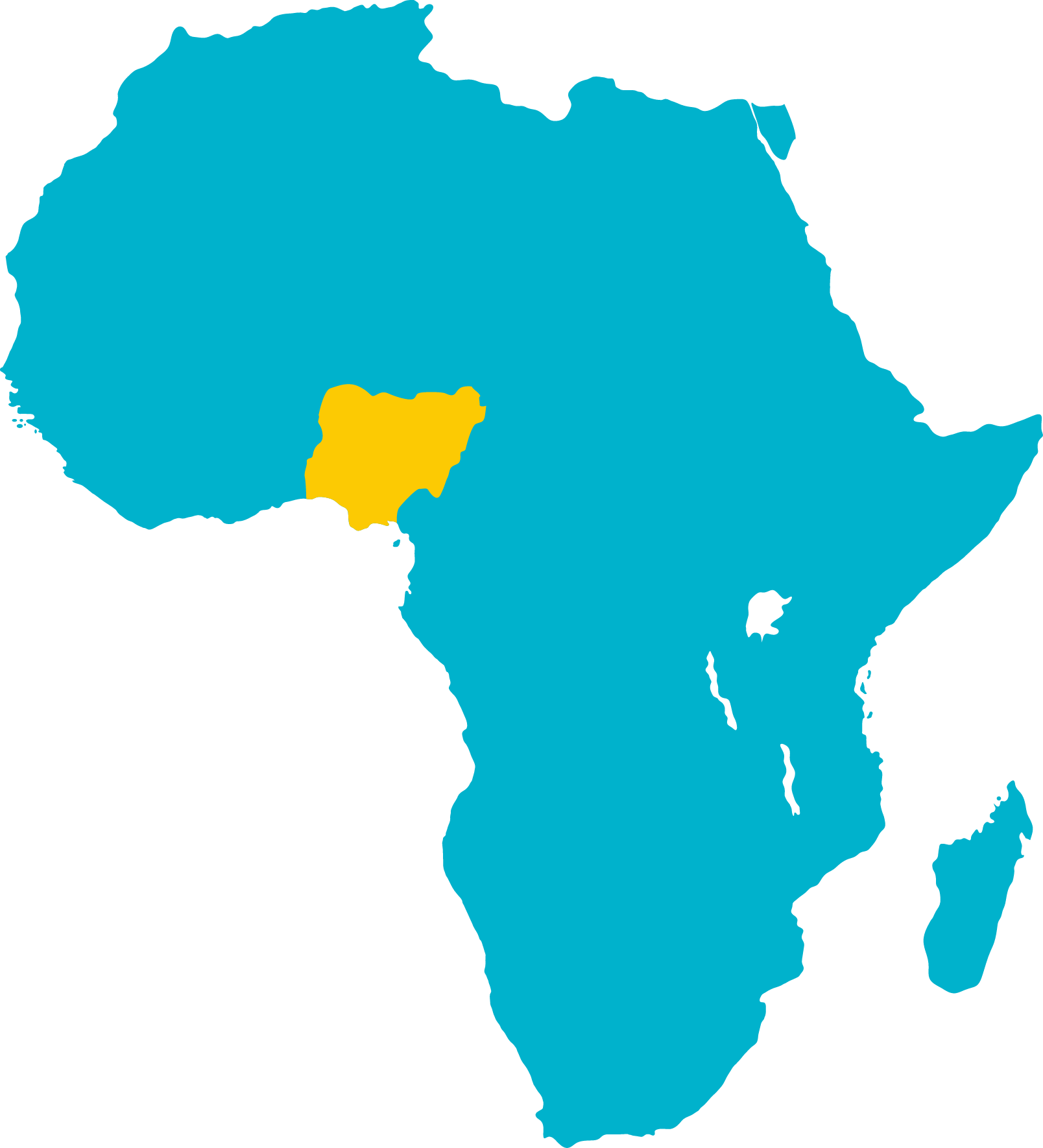
NIGERIA

Lagos, Nigeria is an economic and cultural powerhouse, but rapid growth has also fostered long-term water challenges. As demand for water goes up, pollution and extraction restrain supply. Climate change will only multiply threats to this coastal city.
RWA supports the Lagos State Government’s water strategy to ensure long-term investment is available for resilient infrastructure and water services that benefit the whole of society.
This work manifests through two main roles:
Market shaping
Lagos Water Partnership: RWA developed a multi-stakeholder platform designed to mobilise public and private investment in water.

Regulatory strengthening: RWA collaborates with the Lagos State regulator, LASWARCO, to develop guidelines for the updating of public and private water tariffs.
Deal driving
RWA is providing PPP transaction advisory support support to the Lagos Water Corporation for four small-scale concessions and for the $600 million Igbonla Water Supply Concession.
Providing legal and engineering review for the Igbonla Concession and supporting Stakeholder Engagement with potential customers, vulnerable groups and existing private water service providers
Lagos is one of the fastest-growing cities globally, with its population projected to exceed 30 million by 2050
Less than 10% of residents receive piped, treated water – most rely on tankers, vendors & boreholes or packaged water
Lagos ranks among the most vulnerable coastal cities globally to flooding and sea-level rise
Recent studies revealed nearly 50% of boreholes contaminated with E. coli and saline intrusion
US$ 3B investment is required to improve water and sanitation infrastructure